Why beauty brands see high traffic but low purchase intent
The browsing and discovery behavior that makes beauty traffic metrics look worse than they are
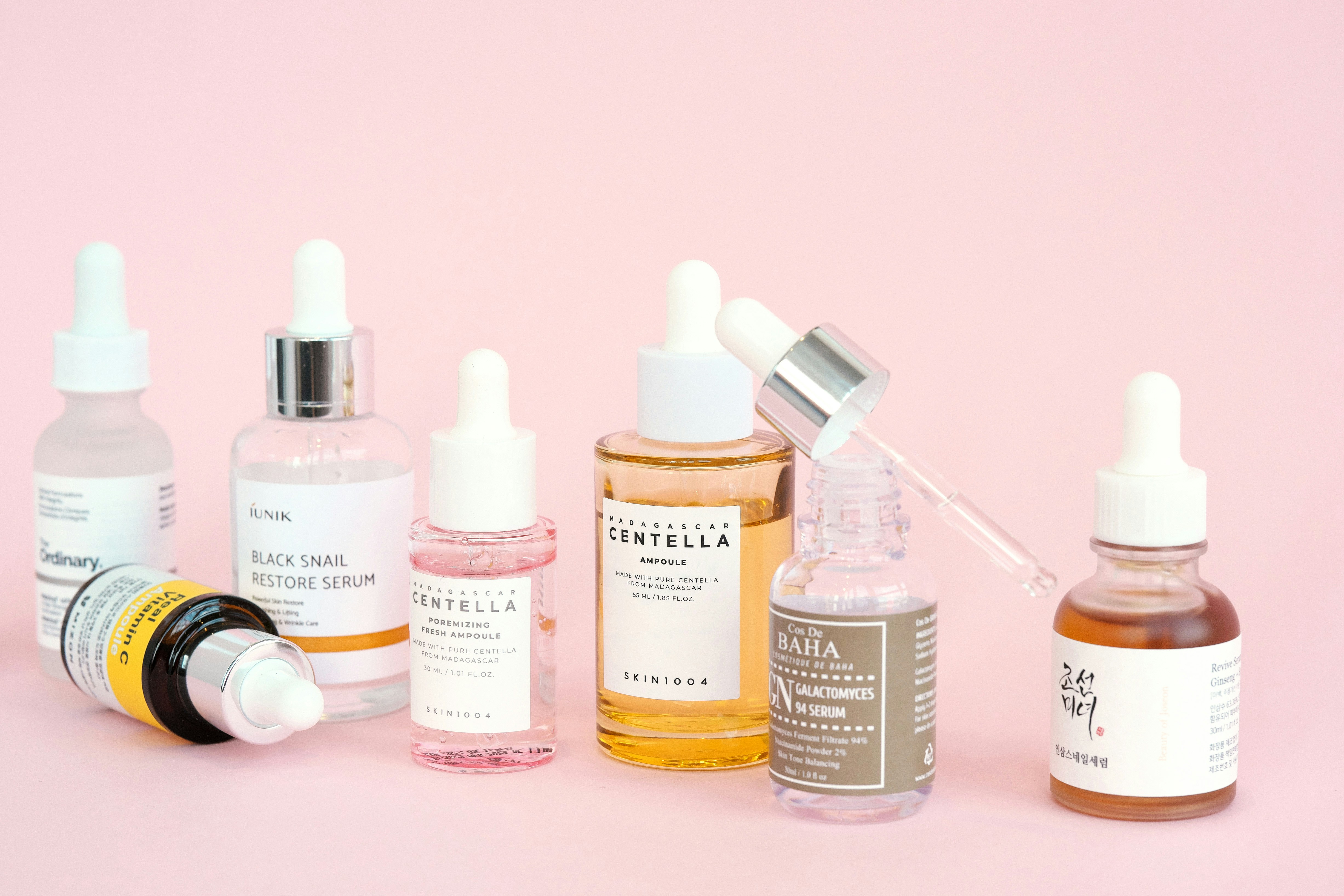
Beauty traffic behaves differently
Beauty brands often see strong traffic numbers but weak purchase intent signals. Conversion rates look low. Bounce rates seem high on product pages. Time on site might be short for many visitors.
Before concluding you have a traffic quality problem, understand that beauty browsing behavior is fundamentally different from other categories.
The discovery browsing pattern
Beauty customers browse for discovery and inspiration, not just purchase intent. They want to see what’s new, what’s trending, what others are using.
What this looks like in data:
High traffic, many page views, but low add-to-cart rates. Visitors flip through products like a magazine, not shopping with intent.
This isn’t bad traffic. It’s how beauty customers build awareness and preference. Today’s browser might be next month’s buyer after they’ve seen your products enough times.
The impression-building value:
Beauty purchases often happen after multiple brand exposures. The customer who browses today without buying might return with purchase intent later. Track new visitor return rates, not just first-visit conversion.
Social media creates window shoppers
Beauty traffic often comes from visual social platforms—Instagram, TikTok, Pinterest. These platforms drive curious clicks more than purchase-ready visitors.
Social traffic patterns:
Expect lower conversion rates from social traffic. Visitors come because something looked interesting, not because they’re ready to buy.
Track social traffic conversion separately from search traffic. The benchmarks are completely different. A 0.5% conversion from Instagram might be healthy; expecting 2-3% is unrealistic.
The delayed social conversion:
Social-acquired visitors might not convert same-session but could return via direct or search traffic later. Track assisted conversions and view-through attribution to capture social’s true impact.
The shade and match barrier
Many beauty products require shade matching—foundation, concealer, lipstick. Visitors can’t verify match from product pages alone.
What happens:
Visitors view products, can’t determine their shade, and leave without buying. This looks like low intent but is actually a match verification barrier.
Track which product categories have lower conversion. Shade-dependent products should have different conversion expectations than universal products like mascara or skincare.
The in-store verification behavior:
Some visitors browse online, then visit physical stores to test shades, then might buy online or in-store. Your online conversion metrics never capture this research-to-offline-purchase path.
Price comparison is constant
Beauty products are available through multiple channels—brand sites, Sephora, Ulta, Amazon. Customers compare before buying.
The multi-tab reality:
Visitors often have your site open alongside competitors, comparing prices, reviews, and shipping options. They might spend time on your site but buy elsewhere.
Track your pricing position versus competitors. Being even slightly more expensive than major retailers might cost you conversions, no matter how good your traffic quality.
Where they actually buy:
Some customers research on brand sites but buy from retailers for rewards points, free shipping thresholds, or samples. This is rational customer behavior that hurts your direct conversion metrics.
The waiting-for-replenishment behavior
Beauty customers often browse while still using current products. They’re planning future purchases, not ready to buy now.
The planning visit:
A customer who loves her current moisturizer might browse your site to decide what to try next, without any intent to buy today. She’s researching for when her current product runs out.
These visits look like low-intent traffic but represent future purchase potential. Track returning visitor behavior to capture the planning-to-purchase conversion path.
Content and editorial traffic
Beauty brands often create content—tutorials, tips, trend articles. This content drives traffic that isn’t purchase-focused.
Content traffic patterns:
Visitors coming for a makeup tutorial have different intent than visitors coming for a specific product. Content traffic naturally converts at lower rates.
Segment traffic by entry point. Content-first visitors should have different conversion expectations than product-page-first visitors.
Content-to-commerce pathway:
Track whether content visitors eventually convert. The path might be: tutorial visit → leave → return for product → buy. Content traffic converts, just not same-session.
Mobile browsing dominates
Beauty traffic skews heavily mobile. Mobile browsing behavior differs from desktop.
Mobile patterns:
Mobile sessions are often shorter and more frequent. Customers check products on their phones, then might complete purchases on desktop later.
Track cross-device behavior if possible. A mobile session that looks like low intent might be research for a later desktop purchase.
Mobile conversion expectations:
Mobile conversion rates are naturally lower across e-commerce, but especially in considered categories like beauty. Judge mobile traffic by different benchmarks than desktop.
Influencer traffic spikes
When influencers feature your products, traffic spikes. But influencer-driven visitors have variable intent.
Curiosity traffic:
Some visitors come because they follow the influencer, not because they want your products. They’re curious, not ready to buy.
Track conversion rate during and after influencer spikes. Some influencers drive purchase-ready traffic; others drive awareness traffic. Know which is which for future partnerships.
The post-spike hangover:
After influencer spikes, traffic and conversion both often drop below baseline before normalizing. This is normal pattern, not cause for alarm.
How to interpret beauty traffic correctly
Adjust your analytics approach for beauty’s browsing nature:
Extend attribution windows:
Track conversion over 14, 21, 30 days, not just same-session. Beauty consideration cycles are longer.
Segment by traffic source:
Social, search, direct, and content traffic have completely different conversion expectations. Aggregate conversion rate is meaningless.
Track returning visitor conversion:
First-visit conversion might be low. Returning visitor conversion should be much higher. Track and optimize for the multi-visit purchase path.
Measure engagement, not just conversion:
Email signups, wishlist additions, account creation, and social follows indicate intent even without immediate purchase. Track these intermediate conversions.
Metrics to focus on
For beauty traffic analytics, prioritize:
New visitor return rate. Conversion rate by traffic source. Extended attribution window conversion. Returning visitor conversion rate. Engagement conversions (email, wishlist, account). Content-to-purchase pathway. Mobile vs desktop behavior differences.
Standard conversion rate metrics make beauty traffic look worse than it is. Build views that capture the discovery, research, and multi-visit nature of beauty purchasing.