Key analytics patterns in skincare e-commerce
Understanding the unique metrics behavior that defines successful skincare brands online
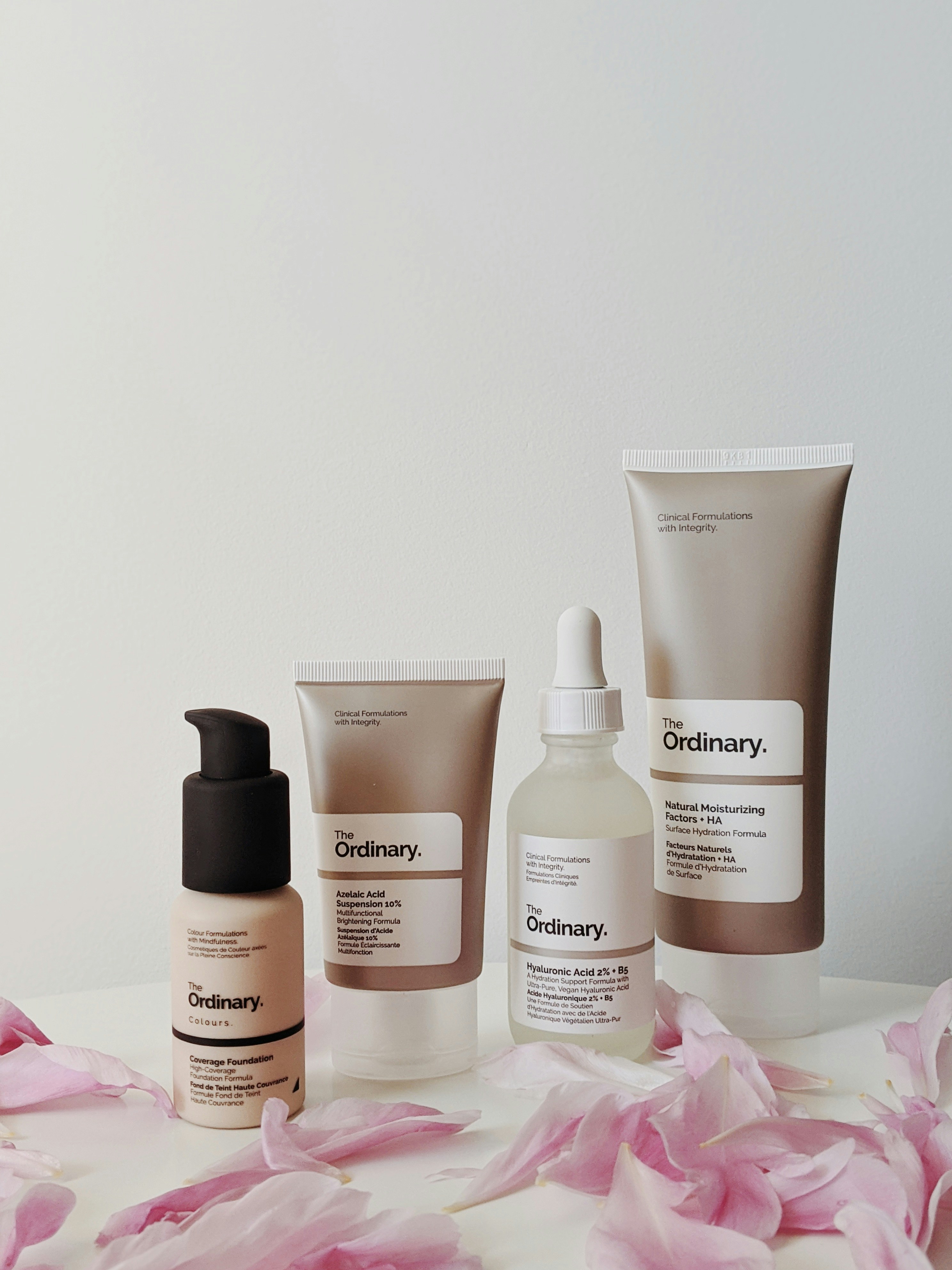
The skincare analytics difference
Skincare e-commerce operates differently from most retail categories. The products are personal, the purchase decisions are considered, and customer relationships tend to be long-term. These characteristics create distinct analytics patterns that founders need to understand.
If you’re running a skincare brand and interpreting your metrics the same way a general retailer would, you’re likely drawing wrong conclusions and making suboptimal decisions.
The replenishment cycle shapes everything
Skincare products get used up. A moisturizer lasts 2-3 months. A serum might last 6-8 weeks. This creates a natural replenishment cycle that fundamentally shapes your analytics.
What this means for your data:
Your repeat purchase rate should be significantly higher than general e-commerce averages. If industry benchmarks suggest 25-30% repeat purchase rates, skincare brands should expect 40-60% for core products. If you’re below this, something is wrong—either product quality, customer experience, or you’re not capturing the replenishment opportunity.
Time between purchases becomes a critical metric. Track the average days between first and second purchase. For most skincare, this should align with product usage duration. If customers aren’t returning when products run out, they’ve switched to competitors.
Higher consideration, longer sessions
Skincare purchases involve research. Customers read ingredients, check reviews, compare products. They’re putting something on their face—the stakes feel high.
Session duration patterns:
Expect longer average session durations than typical e-commerce. 4-6 minutes is common for skincare browsers, compared to 2-3 minutes for general retail. This isn’t a problem to solve—it’s the nature of considered purchases.
Pages per session should also be higher. Customers visit product pages, ingredient lists, review sections, and often return to compare. 5-8 pages per session is healthy for skincare.
The multi-session purchase path:
First-time skincare purchases rarely happen in a single session. Track the average sessions before first purchase. 2-4 sessions is typical. If you’re seeing single-session conversions, you might be attracting only deal-seekers rather than committed skincare enthusiasts.
Conversion rate benchmarks differ
General e-commerce conversion rate benchmarks (2-3%) don’t apply cleanly to skincare. Several factors push skincare conversion rates in different directions:
Factors that lower CR:
High consideration nature means more browsing without buying. Ingredient sensitivity concerns create hesitation. Price points often higher than impulse-buy thresholds. Customers need to finish current products before buying new ones.
Factors that raise CR:
Targeted traffic from skincare-interested audiences. Strong brand loyalty once established. Replenishment purchases convert at very high rates. Gift purchases during holidays.
Net result: skincare conversion rates vary widely. 1.5% might be healthy for a luxury brand with high-consideration products. 4% might be normal for a replenishment-focused brand with established customers. Compare against your own historical data, not generic benchmarks.
The routine builder pattern
Skincare customers build routines. They don’t just buy a moisturizer—they eventually buy cleanser, serum, SPF, and eye cream. This creates a distinctive AOV and purchase pattern.
First purchase AOV vs. subsequent:
First purchases are often single products as customers test the brand. Subsequent purchases frequently include multiple products as customers build their routine with your brand. Track these separately—they’re fundamentally different behaviors.
A healthy pattern: first purchase AOV of $40-60, growing to $80-120 by third or fourth purchase. If subsequent AOV isn’t growing, customers aren’t expanding their routine with you.
Seasonal patterns unique to skincare
Skincare has its own seasonal rhythm beyond typical retail peaks:
Winter surge:
Heavier moisturizers, treatments for dry skin, repair products. Expect 20-30% lift in certain categories November through February.
Summer shift:
SPF products, lighter formulations, oil-control products. Different products peak, but overall revenue can remain stable if you have appropriate range.
New Year resolution effect:
January sees significant skincare interest as people commit to self-care routines. This differs from general retail’s January slump.
What to track:
Monitor category-level seasonality, not just overall revenue. Your moisturizer sales pattern will differ from your serum pattern. Understanding these rhythms helps with inventory and marketing planning.
Review and social proof metrics
Skincare purchasing relies heavily on social proof. Your review metrics carry more weight than in other categories.
Key review metrics:
Review coverage rate: What percentage of products have reviews? Below 80% is problematic for skincare. Average rating: Below 4.2 stars creates significant conversion drag. Review recency: Skincare customers want recent reviews. Reviews older than 6 months lose credibility. Review depth: Longer reviews with routine context perform better than short ratings.
Photo review impact:
Before/after photos dramatically impact conversion. Track what percentage of reviews include photos and correlate with product-level conversion rates.
The ingredient-conscious segment
A significant portion of skincare customers are ingredient-focused. They search for specific actives (retinol, vitamin C, niacinamide) and avoid specific ingredients.
What this means for analytics:
Site search data is gold. Track what ingredients customers search for. High search volume with low results indicates product gaps. On-page search behavior (looking for ingredient lists) indicates this segment’s presence in your traffic.
Landing page performance varies by traffic source. Customers from ingredient-focused content (blog posts, social media) behave differently from brand-search traffic. Segment and analyze separately.
Customer lifetime value patterns
Skincare CLV patterns differ from transactional retail:
The loyalty curve:
Customers who make it to third purchase have dramatically higher lifetime value. The first-to-second purchase drop-off is steep; second-to-third is where loyalty solidifies. Focus retention efforts on getting customers to that third purchase.
Routine lock-in:
Once customers build a routine with your products, switching costs are high (both financial and risk-based). CLV calculations should account for this—a customer using three products has much higher predicted value than single-product customers.
Metrics that matter most for skincare
Prioritize these metrics for skincare e-commerce:
Repurchase rate by product (should be high for consumables). Time between purchases (should align with product duration). Customer progression (single product to multi-product). Second-to-third purchase conversion (loyalty indicator). Review coverage and quality. Routine-level AOV growth.
Generic e-commerce dashboards won’t surface these insights. Build custom views that reflect how skincare customers actually behave.
