Why AOV is naturally higher in outdoor gear
Understanding the structural factors that drive higher average order values in outdoor and adventure retail
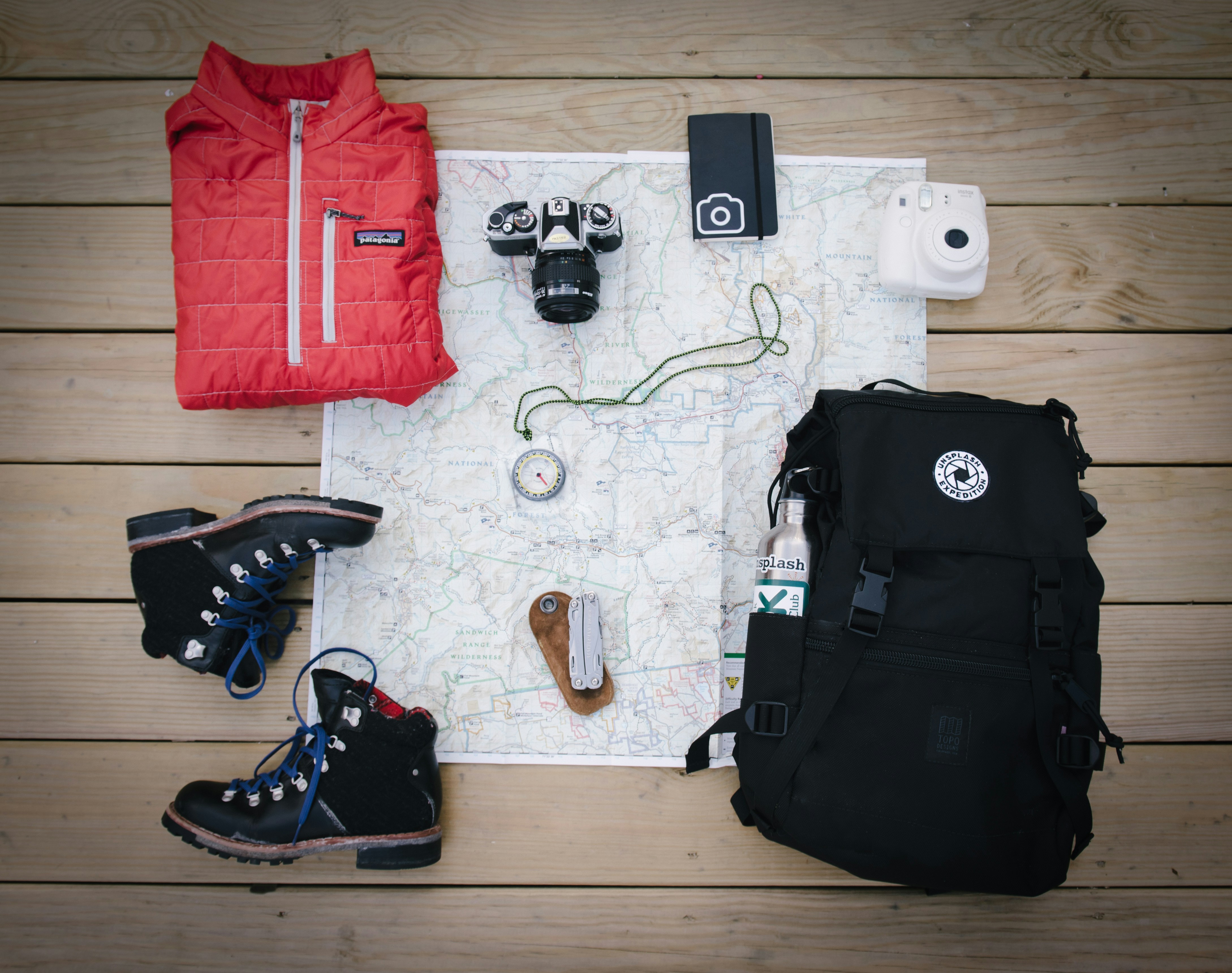
Outdoor gear AOV operates differently
Outdoor and adventure gear stores often see average order values significantly higher than typical e-commerce. This isn’t luck or exceptional upselling—it’s structural to the category.
Understanding why outdoor gear AOV is naturally high helps you interpret your metrics correctly and set appropriate benchmarks.
High base product prices
The fundamental products in outdoor gear cost more than typical retail items.
Equipment economics:
A quality tent costs $200-500. A good sleeping bag runs $150-400. Hiking boots are $120-250. These base prices establish high AOV floors before any additional items.
Quality expectations:
Outdoor gear customers expect durability. They’re buying equipment for challenging conditions. Cheap options don’t meet their needs, so they naturally gravitate toward higher-priced, higher-quality items.
Don’t benchmark outdoor gear AOV against general retail. A $150 AOV that would be exceptional for apparel might be low for outdoor gear.
The kit-building pattern
Outdoor activities require multiple items that work together. Customers often buy kits, not individual products.
Activity-based shopping:
A customer preparing for a backpacking trip needs a pack, sleeping system, shelter, and possibly cooking gear. They might buy several items in a single order.
What this means for AOV:
Kit-building purchases naturally have high AOV. A customer buying just a water bottle has low AOV. A customer outfitting for a camping trip might have $400-800 AOV.
Track AOV by apparent purchase purpose. Kit-building orders and single-item orders are different behaviors with different value.
Trip preparation timing
Outdoor purchases often cluster around trip preparation, driving kit-building behavior.
The trip trigger:
A planned trip creates urgency and completeness pressure. Customers need everything required before the trip date. This drives larger, more complete orders.
Pre-trip versus casual shopping:
Pre-trip shoppers have higher AOV because they’re solving a complete need. Casual browsers might buy a single accessory. Track whether you can identify trip-preparation shopping patterns.
Durability means infrequent replacement
Quality outdoor gear lasts years. This affects purchase frequency and order composition.
The replacement cycle:
A good tent might last 10+ years. Boots might last 3-5 years. Customers don’t need to buy these items often, so when they do buy, they often invest in quality.
Infrequent but substantial:
Outdoor gear customers might purchase once every year or two, but each purchase is substantial. Low purchase frequency with high AOV is the category pattern.
Don’t expect high repeat purchase rates. Focus on maximizing value when customers do purchase.
Technical accessories add up
Outdoor gear has many technical accessories that add to order value.
Essential add-ons:
A tent purchase might include a footprint, gear loft, and repair kit. A backpack might need a rain cover, compression straps, and hydration bladder. These $20-50 accessories accumulate.
Accessory attach rates:
Track accessory attach rates for major equipment purchases. Healthy outdoor stores see significant accessory revenue attached to primary products.
Brand loyalty in outdoor gear
Outdoor customers often develop brand loyalty based on field experience.
Trust through performance:
When gear performs well in challenging conditions, customers trust that brand for future purchases. This loyalty drives multiple-item purchases from preferred brands.
Brand concentration:
Some customers outfit entirely with one brand when possible. Track brand concentration in orders. High concentration indicates loyal customers building complete systems.
Seasonal preparation drives spikes
Outdoor activities are seasonal. Preparation windows drive AOV patterns.
Spring preparation:
Camping, hiking, and backpacking preparation peaks in spring. Customers gear up for summer activities.
Fall preparation:
Hunting season, cold-weather camping, and ski season preparation drives fall purchasing. Different activities, similar kit-building behavior.
Track AOV by season. Preparation seasons should show higher AOV as customers complete kits.
New-to-activity versus experienced patterns
New outdoor enthusiasts shop differently than experienced ones.
New entrants:
Customers new to an activity often need everything. Their first order might include all basic equipment. Very high AOV but potentially one-time behavior.
Experienced upgraders:
Experienced customers upgrade specific items. Lower AOV per order but potentially better lifetime value through repeat upgrades.
Segment customers by apparent experience level. New entrants and upgraders have different value patterns.
Research intensity supports high AOV
Outdoor gear purchases involve significant research, which supports price acceptance.
Research and price acceptance:
Customers who research gear extensively understand why quality items cost more. They’ve read reviews, compared specs, and accepted the price before arriving at your store.
What this means:
Well-researched customers convert at higher price points. Your job is less about convincing them of value and more about being the chosen retailer.
Gift and registry patterns
Outdoor gear is a popular gift category with high AOV implications.
Gift purchases:
Outdoor gear makes substantial gifts. Birthdays, holidays, and graduations drive gift purchases of tents, packs, or equipment sets.
Registry purchases:
Some outdoor retailers offer registries for big trips or occasions. Registry purchases often have high AOV as gift-givers contribute to substantial items.
Setting appropriate AOV benchmarks
Given these factors, how should outdoor gear stores think about AOV?
Realistic ranges:
AOV of $100-200 is reasonable for stores with accessory-heavy catalogs. AOV of $200-400 is reasonable for equipment-focused stores. Higher is achievable for premium or technical gear specialists.
Segment-appropriate benchmarks:
Set different AOV expectations for different traffic segments. New activity entrants should have different benchmarks than accessory replenishment visitors.
Metrics to prioritize for outdoor gear AOV
Focus on these AOV-related metrics:
AOV by purchase type (kit-building vs. single item). Accessory attach rates for major equipment. AOV by seasonal period. AOV by customer segment (new vs. experienced). Brand concentration patterns. Items per order alongside AOV. Revenue per session to capture low-conversion but high-value dynamics.
Outdoor gear AOV is naturally high due to category structure. Understand these drivers to interpret your metrics correctly and optimize for the patterns that actually matter.